Become a Certified Swim Instructor with The Swim Factory

Teaching swimming is one of the most rewarding careers in sport and recreation — meaningful, flexible, and genuinely impactful in the lives of children and families. If you’re considering a pathway into aquatics, The Swim Factory’s swim instructor training gives you the skills, certification, and practical experience to start teaching with confidence from day one.

Why a Career as a Swim Instructor is Worth Considering

There aren’t many jobs where you finish the day knowing you’ve made a real difference. As a swim instructor, the work you do directly contributes to children’s safety, confidence, and physical development. You’re not just teaching strokes — you’re helping kids build a relationship with the water that will serve them for life. That’s genuinely meaningful work.

The lifestyle appeal is real too. Swim instruction offers flexibility that suits a wide range of people — parents looking for school-hours compatible work, university students seeking part-time income, or career changers wanting something more active and people-focused than a desk job. Morning sessions, weekends, school holiday intensives — aquatics timetables tend to accommodate life rather than fight against it.

The demand for qualified swim instructors in Australia is consistent and growing. Increasing awareness around childhood water safety has driven steady growth in enrolments at swim schools across the country, and qualified instructors with recognised certification are always sought after. Beyond entry-level teaching roles, there are clear pathways into coaching, programme coordination, and aquatics management for those who want to grow their careers further.

What Our Swim Instructor Training Covers

Our programme is built to make you genuinely job-ready — not just certified on paper, but confident and capable in the water from your very first lesson.

Training covers the full scope of what you need to teach effectively and safely. You’ll develop a thorough understanding of how children learn to swim at different developmental stages, how to plan and deliver engaging lessons, and how to adapt your teaching style to meet the needs of individual students. Communication strategies, positive reinforcement techniques, and age-appropriate instruction methods are all central to the curriculum.

Water safety and risk management form a core part of the training. You’ll learn how to assess pool environments, identify and respond to changes in student confidence and behaviour, and manage the safety of your class at all times. This isn’t background knowledge — it’s front and centre in everything a good swim instructor does. These practical skills ensure that you’re equipped to respond calmly and competently in the unlikely event of an emergency, and they’re an essential component of any recognised swim instructor qualification.

Certification That’s Recognised and Respected

Upon successful completion of the programme, you’ll receive a swim instructor certification that meets industry standards and is recognised by swim schools and aquatic facilities across Australia. Our training aligns with the frameworks established by recognised bodies including Swim Australia, ensuring the qualification you earn carries genuine weight with employers.

For those who want to continue developing professionally, the certification provides a foundation for further accreditation — whether that’s specialising in teaching swimmers with a disability, progressing into coaching, or pursuing leadership roles in aquatics.

Practical Training: Learning by Doing

Classroom knowledge only goes so far. The most important part of becoming a confident swim instructor is time in the water, teaching real students. Our programme includes substantial in-water coaching practice that puts you in front of learners under the guidance of experienced instructors, building the practical skills and instincts that only come from actually doing the job.

Your progress is tracked against a clear competency framework throughout the course, giving you — and future employers — confidence that you’ve genuinely mastered the skills required to teach effectively and safely.

We also support our graduates beyond certification. Resume guidance, interview preparation, and job placement support are all available to help you move from course completion to your first teaching role as smoothly as possible.

Who Should Enrol

Our swim instructor training is suited to a wide range of people. You don’t need prior teaching experience — if you have a genuine enthusiasm for working with children, and the motivation to learn, we’ll build your teaching skills from there. Candidates must be at least 16 years of age to enrol.

Whether you’re a parent who wants to turn a love of swimming into a flexible career, a student looking for meaningful part-time work, or someone ready for a career change into a more active and rewarding field, this training is designed with you in mind.

Frequently Asked Questions

Do I need teaching experience to enrol? No prior teaching experience is required. Our programme is designed to take motivated candidates with strong swimming ability and develop their teaching skills from the ground up.

What certification will I receive? Graduates receive a recognised swim instructor certification along with a first aid and CPR certificate upon successful completion of all assessments.

Can I work part-time while completing the course? Yes. The programme is structured to accommodate candidates who are working or studying alongside their training.

Is there support available after I graduate? Absolutely. We provide on-going paid  work as extra teachers assisting other teachers as you gain more experience and are ready to take regular shifts.

How do I find out about upcoming course dates and fees? Get in touch with The Swim Factory team directly for current course dates, locations, and investment details — we’re happy to walk you through everything.

Take the First Step Toward a Career in Aquatics

If you’re ready to turn a passion for swimming into a career that’s flexible, fulfilling, and genuinely impactful, The Swim Factory’s swim instructor training is the place to start.Enquire about upcoming courses today and find out how we can help you get started
Kids Swim Programs That Build Real Confidence in the Water

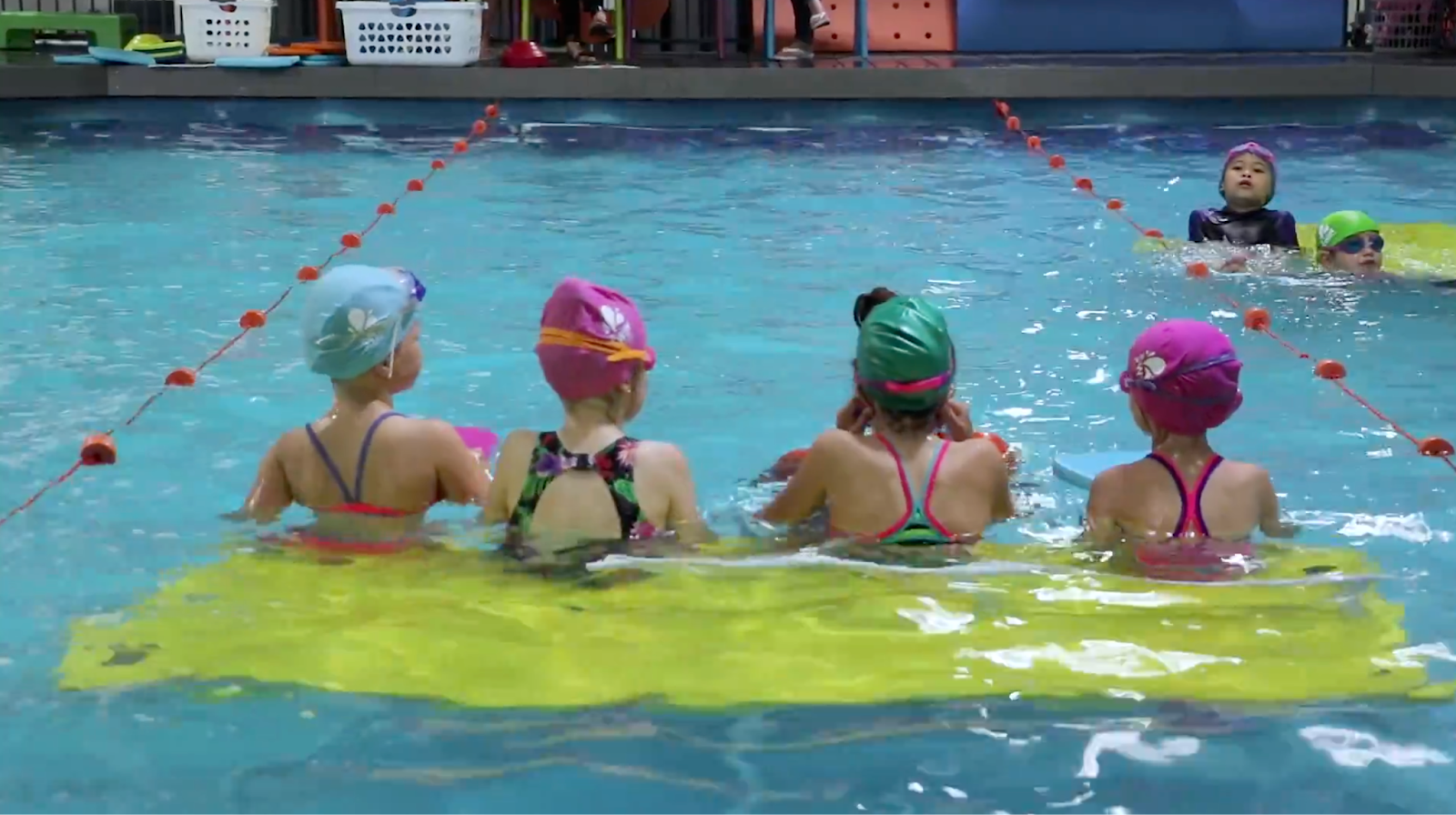
Learning to swim is one of the most valuable things a child can do — not just for the skill itself, but for the confidence, independence, and safety awareness that comes with it. At The Swim Factory, our kids swim programs are built around quality instruction, genuine care, and a learning environment where children feel supported enough to push their own boundaries in the water.

Why Water Skills Matter

Australia’s lifestyle is inseparable from water. Pools, beaches, rivers, and lakes are part of everyday life for most Australian families — which makes swimming ability not just a recreational bonus, but a genuine life skill. Drowning remains one of the leading causes of accidental death for young children in Australia, and the earlier a child develops water awareness and basic aquatic skills, the safer they are in and around water for the rest of their life.

Swim lessons do more than teach children how to move through the water. They build the kind of water confidence that allows children — and their parents — to feel genuinely at ease in aquatic environments. That confidence is earned progressively, through consistent practice and the right instruction at the right time.

The Long-Term Benefits of Learning to Swim Young

The benefits of swimming extend well beyond the pool. Time in the water develops physical coordination, strength, and cardiovascular fitness in ways that complement almost every other sport and physical activity. Children who swim regularly tend to be more comfortable with challenge and persistence — because swimming teaches them, repeatedly, that effort leads to progress.

There’s a social dimension too. Swim classes place children in a structured group environment where they take turns, encourage each other, and share in the experience of learning something new. For many children, their swim class becomes a highlight of their week — a consistent, enjoyable routine they look forward to.

How We Teach: Fun, Safety, Genuine Progression and technical excellence

At The Swim Factory, we believe children learn best when they’re engaged and enjoying themselves. Our instructors use play-based, positive teaching methods that meet children where they are — building skills progressively through activities that feel like fun rather than instruction.  Structured fun activities are woven naturally into every session, keeping children motivated and attentive without them even realising how much they’re learning.

Safety is embedded into everything we do, not treated as a separate consideration. Our instructors are fully qualified and trained in CPR and water safety protocols. Low instructor-to-child ratios mean every child receives genuine individual attention, and our pool environments are carefully supervised to ensure every session is as safe as it is enjoyable.

Progress at The Swim Factory is measurable and celebrated. Children move through clear developmental stages — from water familiarisation and basic buoyancy through to stroke development, breath control, and survival skills — with each milestone acknowledged and built upon. Parents can expect regular communication about how their child is progressing, so you’re always across where your child is at and what they’re working toward.

What to Expect as a Parent

Choosing a swim school is an important decision, and we want you to feel confident from the very first session. Our team is always available to help you understand which program is the right fit for your child’s age, ability, and water confidence — there’s no pressure to figure it out alone.

A few things to bring to every lesson: a well-fitted swimsuit or board shorts, a towel, and a change of clothes. For younger children, a swim nappy worn under swimwear is required. Arrive a few minutes early to allow your child time to settle into the environment before getting in the water, particularly in those first few sessions.

If your child is nervous or hesitant around water, let your instructor know. Our team is experienced in working with children at all confidence levels, and a patient, encouraging approach makes an enormous difference in how quickly children find their feet — and their fins.

Frequently Asked Questions

What age can my child start swimming lessons? We welcome children from a very young age, with programs suited to different developmental stages from infancy through to school age and beyond. Get in touch to find out what’s available for your child.

How often should my child attend? Consistency is one of the biggest factors in swimming progress. Regular, weekly attendance year round — supplemented by holiday programs where possible — gives children the best opportunity to develop and retain their skills.

How will I know my child is progressing? Our supervisors  provide ongoing feedback and assessments so you always have a clear picture of where your child is at and what they’re working toward.

What if my child is afraid of the water? It’s more common than you might think, and our team is well equipped to work gently and patiently with nervous swimmers. Progress may look different for each child, but with the right support, most children grow in confidence quickly.

Do you offer make-up lessons? Please get in touch with our team directly to discuss our policy on missed lessons and make-up options.

A Skill for Life, Starting Now

Swimming is one of the few things a child learns that genuinely stays with them forever. Every lesson builds on the last, every milestone opens up the next, and the water confidence your child develops now will serve them well across every stage of their life.If you’re ready to get started, contact The Swim Factory team today — we’d love to welcome your child into the water.

Holiday Activities for Kids: Fun, Safe & Skill-Building in the Water

School holidays open up time for kids to explore, move, and try new things — and water-based activities sit right at the intersection of fun, fitness, and learning skills that genuinely matter. Whether your child is just getting comfortable in the water or is already a confident swimmer looking to build on their ability, the school holidays are a wonderful opportunity to make real progress in a relaxed, enjoyable environment.

Why Water-Based Activities Are Great for Kids During the Holidays

Swimming and water-based play offer something that most holiday activities can’t: physical engagement that builds genuine, lasting capability. While kids are splashing around and having fun, they’re also developing strength, coordination, endurance, and spatial awareness — all without it feeling like exercise.

There’s a confidence dimension too. The water has a unique way of producing those breakthrough moments — the first independent float, the first length without stopping, the first time a child realises they can do something they couldn’t do last week. Those moments matter, and the school holidays, with their slower pace and longer sessions, are an ideal time for them to happen.

Water safety is woven through everything as well. Every session in the water with a qualified instructor reinforces the skills and awareness that keep children safe around pools, beaches, and open water for the rest of their lives. That’s not a small thing — it’s one of the most important gifts you can give a child growing up in Australia.

What Kids Can Experience in the Water These Holidays

Holiday programs tend to look and feel different from the regular school-term swim lesson — more immersive, more varied, and with a little extra room for fun. Depending on your child’s age and ability, water-based holiday activities might include skill development through structured fun activities, team challenges that build communication and cooperation, breath control and buoyancy exercises disguised as adventure, and water safety practice through engaging, age-appropriate scenarios.

For younger children, the focus is often on building comfort and familiarity with the water in a warm, supportive environment. For older kids, the holidays are a chance to consolidate technique, push through a plateau, or simply clock up more time in the water with the kind of consistency that accelerates progress.

The best holiday programs move fluidly between fun and learning — children don’t notice the skill-building because they’re too busy enjoying themselves. That’s exactly the way it should be.

How The Swim Factory Approaches Holiday Programs

At The Swim Factory, safety and quality instruction are at the centre of everything we do — holiday programs included. All sessions are led by qualified, experienced instructors who understand child development and know how to engage children of different ages and ability levels. Low instructor-to-child ratios mean every child receives genuine attention, and programs are structured to match the developmental stage and water confidence of the children taking part.

Learning outcomes are always intentional. Kids come away from our holiday programs having made real progress — in stroke technique, water confidence, breath control, or safety awareness — depending on where they’re starting from. The environment is encouraging and positive, because children learn best when they feel safe and supported.

Tips for Parents: Getting the Most Out of Holiday Swim Sessions

A little preparation makes for a much smoother experience. Pack swimwear, a towel, sunscreen, and a light snack for after the session. A waterproof bag keeps everything organised and makes the post-swim transition easier.

If your child has any specific needs, allergies, or anxieties around water, let your instructor know ahead of time. Our team is experienced in working with children at all confidence levels, including those who are nervous or reluctant in the water — patience and the right approach go a long way.

Arriving a few minutes early for the first session gives your child time to take in the environment before getting in the water, which can make a real difference for younger or more hesitant swimmers.

Frequently Asked Questions

Are holiday programs suitable for beginners? Yes. Programs are designed to cater to a range of abilities, from children who are just starting out to those who are already comfortable in the water.

What age can children start? Water-based activities are available from a very young age, with age-appropriate options for babies, toddlers, and school-aged children. Get in touch to find out what’s available for your child’s age group.

What safety measures are in place? All programs are run by qualified instructors with low child-to-instructor ratios. Safety is built into every aspect of how our sessions are structured and delivered.

What should my child bring? A swimsuit or board shorts, a towel, sunscreen, and a change of clothes. A swim nappy is required for younger children not yet toilet trained.

Give Your Child a Holiday They’ll Remember

The school holidays are a rare window of time — unhurried, unscheduled, and full of possibility. Spending part of that time in the water, building confidence and real skills with qualified instructors, is one of the best uses of it.

If you’d like to find out what’s available these school holidays, get in touch with The Swim Factory team — we’d love to help your child make the most of the break.

Baby Swimming: Building Water Confidence, Safety, and Joy from the Start

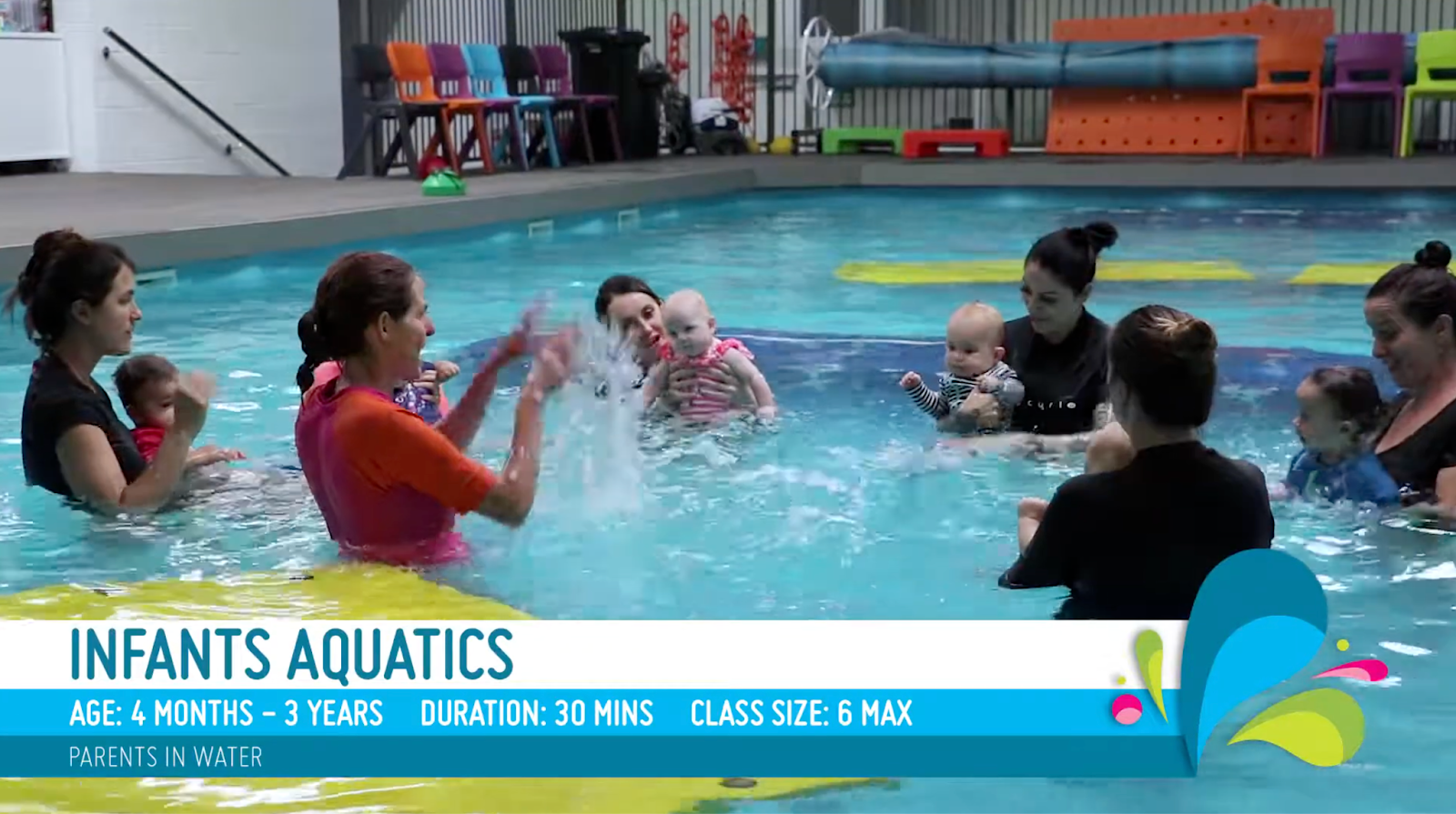
Every time your baby enters the water, something important is happening — well beyond the splashing and the smiles. Baby swimming lessons are one of the most meaningful investments you can make in your child’s early development, laying the groundwork for water safety, physical growth, and a lifelong relationship with the water. Here’s why starting early matters, and what you can expect when you take that first step.

Why Baby Swimming Matters

Australia’s relationship with water is woven into everyday life — beaches, backyard pools, rivers, and lakes are part of the landscape for most families. That makes water safety not just a nice-to-have, but an essential life skill. Drowning remains one of the leading causes of accidental death in children under five in Australia, and introducing babies to the water early is one of the most proactive steps parents can take.

It’s important to understand that swim lessons for babies and toddlers are about building water awareness, comfort, and foundational skills — not replacing supervision. Active, vigilant parental oversight around water is always essential, regardless of a child’s swimming ability. Lessons and supervision work together; neither replaces the other.

Beyond safety, the developmental benefits of baby swimming are significant. Time in the water encourages motor skill development, coordination, and balance as babies use their whole bodies in ways that land-based activities simply don’t replicate. The structured, social nature of swim classes also supports cognitive development and helps young children learn to follow simple instructions and routines.

The Parent-Child Bond

One of the most special aspects of baby swim classes is the shared experience between parent and child. You are your baby’s greatest source of comfort and confidence in the water — your calm presence, your encouragement, and your participation in the class directly shapes how your child feels about the water. Many parents find that swim lessons become one of the highlights of their week, a dedicated time of connection away from the busyness of everyday life.

What to Expect in a Baby Swimming Class

Baby and toddler swimming classes are designed to be warm, playful, and reassuring — for both little ones and their parents. A typical session moves through a gentle warm-up to ease everyone into the water, followed by skill-building activities woven into songs, games, and movement that keep young children engaged and having fun. Sessions conclude with a calm cool-down to ease the transition out of the pool.

Qualified instructors lead every class, with training in CPR, and the specific techniques used in early childhood aquatic education. Low teacher-to-child ratios ensure that every baby receives the individual attention they need to progress at their own pace — because just like learning to walk or talk, swimming is a process, not an event.

How Baby Swimming Supports Development Over Time

The journey from a baby’s first tentative moments in the water to a confident young swimmer is one of the most rewarding progressions to witness. In the earliest stages, it’s about familiarity and comfort — learning to enjoy the sensation of water, responding to an instructor’s cues, and building trust in the aquatic environment. As children grow, that comfort becomes capability: floating, kicking, breath control, and eventually independent movement through the water.

Consistency is key. Families who attend regularly, year-round, tend to see the most meaningful progress — not just in swimming ability, but in the confidence and resilience their children carry into other areas of life.

Preparing for Your First Class

A little preparation goes a long way toward making your first lesson a positive experience. A well-fitted swim nappy and swimsuit are essential, along with a towel and a change of clothes. Feed your baby lightly beforehand — enough that they’re comfortable and not hungry, but not so recently that the movement in the water causes discomfort.

If your baby cries or seems uncertain in the first few sessions, that’s entirely normal. New environments take adjustment, and your calm, reassuring presence is the most powerful tool you have. Most babies settle quickly once a routine is established and they begin to associate the pool with fun and familiar faces.

Frequently Asked Questions

When can my baby start swimming lessons? Most swim programs welcome babies from around three to six months of age. Check with your local swim school to find out what’s available for your child’s age group.

Are baby swim lessons safe? Yes. When led by qualified instructors in a properly maintained pool, with appropriate supervision, baby swimming classes are safe and beneficial.

Will lessons prevent drowning? Swim lessons build water awareness and foundational skills, but they are not a substitute for constant supervision around water. Both are essential.

What should my baby wear? A swim nappy worn under a swimsuit is required. Bring a towel and spare clothes for after class.

What if my baby cries? It’s common and completely normal, especially in the first few sessions. Instructors are experienced in helping babies and parents settle into the water environment, and most children adjust quickly with time and consistency.

Are there activities I can do at home to reinforce the lesson experience? Your teachers can suggest many skills you can practice at home to reinforce the lesson 

A Skill for Life, Starting Now

Swimming is one of the few skills that genuinely stays with a person for life — providing safety, health, and joy across every decade. Starting your child’s journey in the water early gives them the best possible foundation, and it gives you the peace of mind that comes from knowing your little one is building real water awareness from the very beginning.

If you’re ready to take that first step, we’d love to welcome you and your baby into the water. Enquire about baby swimming lessons at The Swim Factory today.