
Every time your baby enters the water, something important is happening — well beyond the splashing and the smiles. Baby swimming lessons are one of the most meaningful investments you can make in your child’s early development, laying the groundwork for water safety, physical growth, and a lifelong relationship with the water. Here’s why starting early matters, and what you can expect when you take that first step.
Why Baby Swimming Matters
Australia’s relationship with water is woven into everyday life — beaches, backyard pools, rivers, and lakes are part of the landscape for most families. That makes water safety not just a nice-to-have, but an essential life skill. Drowning remains one of the leading causes of accidental death in children under five in Australia, and introducing babies to the water early is one of the most proactive steps parents can take.
It’s important to understand that swim lessons for babies and toddlers are about building water awareness, comfort, and foundational skills — not replacing supervision. Active, vigilant parental oversight around water is always essential, regardless of a child’s swimming ability. Lessons and supervision work together; neither replaces the other.
Beyond safety, the developmental benefits of baby swimming are significant. Time in the water encourages motor skill development, coordination, and balance as babies use their whole bodies in ways that land-based activities simply don’t replicate. The structured, social nature of swim classes also supports cognitive development and helps young children learn to follow simple instructions and routines.
The Parent-Child Bond
One of the most special aspects of baby swim classes is the shared experience between parent and child. You are your baby’s greatest source of comfort and confidence in the water — your calm presence, your encouragement, and your participation in the class directly shapes how your child feels about the water. Many parents find that swim lessons become one of the highlights of their week, a dedicated time of connection away from the busyness of everyday life.
What to Expect in a Baby Swimming Class
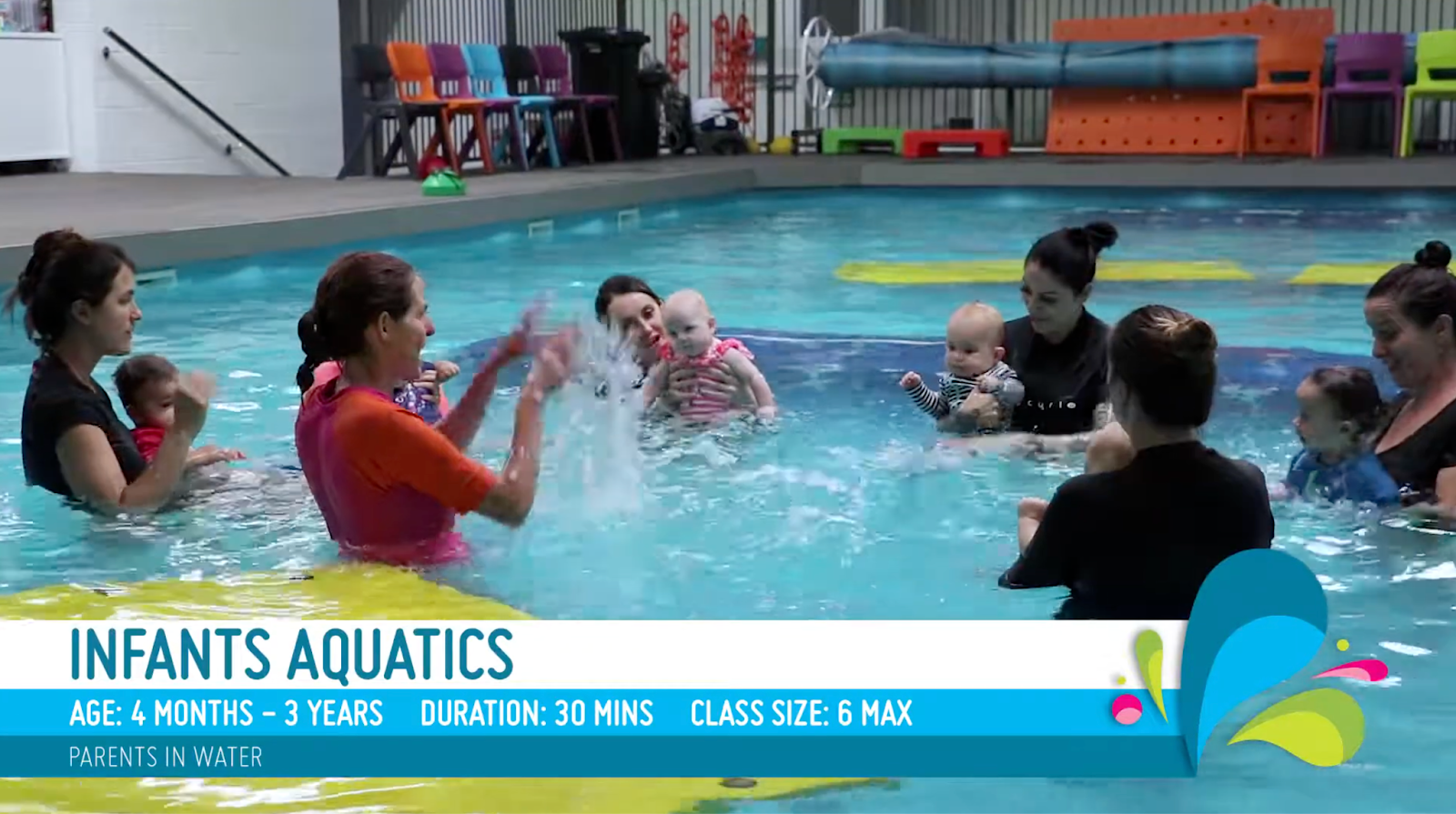
Baby and toddler swimming classes are designed to be warm, playful, and reassuring — for both little ones and their parents. A typical session moves through a gentle warm-up to ease everyone into the water, followed by skill-building activities woven into songs, games, and movement that keep young children engaged and having fun. Sessions conclude with a calm cool-down to ease the transition out of the pool.
Qualified instructors lead every class, with training in CPR, and the specific techniques used in early childhood aquatic education. Low teacher-to-child ratios ensure that every baby receives the individual attention they need to progress at their own pace — because just like learning to walk or talk, swimming is a process, not an event.
How Baby Swimming Supports Development Over Time
The journey from a baby’s first tentative moments in the water to a confident young swimmer is one of the most rewarding progressions to witness. In the earliest stages, it’s about familiarity and comfort — learning to enjoy the sensation of water, responding to an instructor’s cues, and building trust in the aquatic environment. As children grow, that comfort becomes capability: floating, kicking, breath control, and eventually independent movement through the water.
Consistency is key. Families who attend regularly, year-round, tend to see the most meaningful progress — not just in swimming ability, but in the confidence and resilience their children carry into other areas of life.
Preparing for Your First Class
A little preparation goes a long way toward making your first lesson a positive experience. A well-fitted swim nappy and swimsuit are essential, along with a towel and a change of clothes. Feed your baby lightly beforehand — enough that they’re comfortable and not hungry, but not so recently that the movement in the water causes discomfort.
If your baby cries or seems uncertain in the first few sessions, that’s entirely normal. New environments take adjustment, and your calm, reassuring presence is the most powerful tool you have. Most babies settle quickly once a routine is established and they begin to associate the pool with fun and familiar faces.
Frequently Asked Questions
When can my baby start swimming lessons? Most swim programs welcome babies from around three to six months of age. Check with your local swim school to find out what’s available for your child’s age group.
Are baby swim lessons safe? Yes. When led by qualified instructors in a properly maintained pool, with appropriate supervision, baby swimming classes are safe and beneficial.
Will lessons prevent drowning? Swim lessons build water awareness and foundational skills, but they are not a substitute for constant supervision around water. Both are essential.
What should my baby wear? A swim nappy worn under a swimsuit is required. Bring a towel and spare clothes for after class.
What if my baby cries? It’s common and completely normal, especially in the first few sessions. Instructors are experienced in helping babies and parents settle into the water environment, and most children adjust quickly with time and consistency.
Are there activities I can do at home to reinforce the lesson experience? Your teachers can suggest many skills you can practice at home to reinforce the lesson
A Skill for Life, Starting Now
Swimming is one of the few skills that genuinely stays with a person for life — providing safety, health, and joy across every decade. Starting your child’s journey in the water early gives them the best possible foundation, and it gives you the peace of mind that comes from knowing your little one is building real water awareness from the very beginning.
If you’re ready to take that first step, we’d love to welcome you and your baby into the water. Enquire about baby swimming lessons at The Swim Factory today.